
“Revival: How to experience spiritual awakening and renewal”

6-12th GRADE EVENTS IN PLANO TEXAS FOR 2025

8 Things God has Called Us to Be
Jesus began his famous Sermon on the Mount with what is known as the Beattitudes: 8 statements of blessing for those who live by the laws of the Kingdom of Heaven. Interestingly, the Apostle Paul ends the book of 1 Corinthians with his own version of BE-attitudes. Aware of the challenging Corinthian culture that constantly threatened to seep into the church at Corinth, Paul concludes his letter with 8 statements of exhortation that would preserve the integrity of the church and protect them from straying from their true identity and purpose God had given to them. And much like the church at Corinth, God has called each of us to be a transformative power in our world for His glory. These 8 Be-attitudes will help us stay true to our God-given identity and fulfill our God-given purpose.
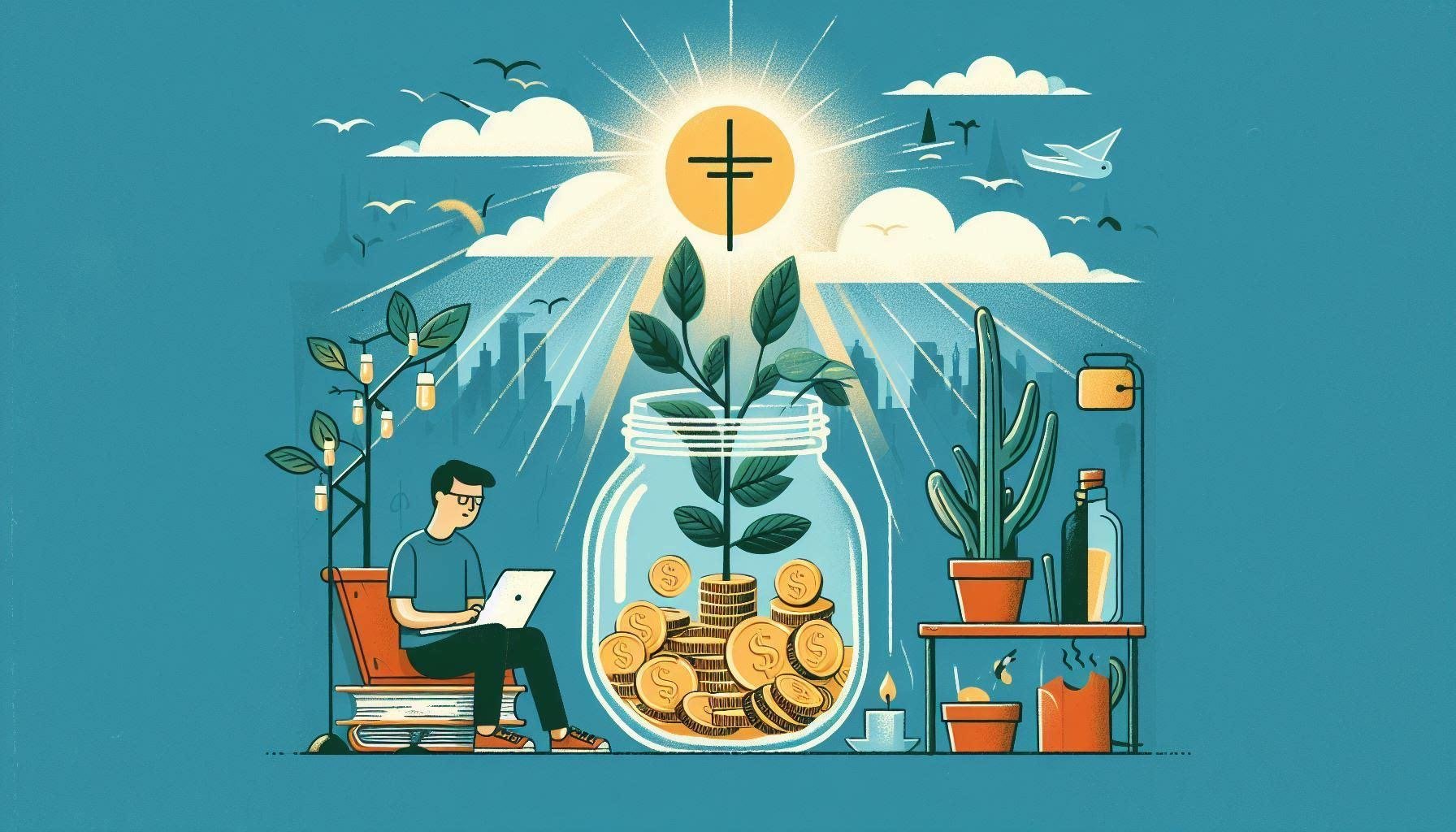
How to Manage your Money and Grow your Soul
One of the core characteristics of God is His generosity. God is a giver. He delights to give. He gives joyfully, graciously, indiscriminately, sacrificially even extravagantly. Without the generosity of God, there would be no salvation . . . “For God so loved the world that he GAVE his one and only son . . . .” Giving is a discipline of the spiritual life. There is no ministry without giving; there is no growth without giving; there is no joy without giving. There are many promises in the Bible that are reserved for givers; that are predicated on giving. Such as Luke 6:38 “Give, and it will be given to you.” Giving is one of the ways that helps us align our lives and our values with God and eternity. In 1 Corinthians 16:1-10, Paul zeroes in on the important matter of financial investment in the Kingdom of Heaven through faithful giving. Paul leaves them with a practical call to put their money where their mouth is and to prioritize the financial support of the work of the ministry and the outreach of the church. He outlines the dimensions of financial stewardship and generosity that can bless and preserve a heavenly orientation and eternal perspective for faithful disciples.

Spiritual Maturity
There is nothing quite like the wonder of a new life; a baby in all of its beauty and wonder and hope for the future. Babies are cute and adorable. But of course, the expectation is that they will grow, develop and mature, and that they will not stay babies. Maybe they will become teachers or accountants or police officers or representatives of congress or maybe even the President of the United States; but most importantly, may they all become fully devoted followers of Christ. A similar process is of growth and development is integral to the Christian life. Sadly, many believers get stuck in the baby stage of conversion and never develop into mature disciples of Christ. The Apostle Paul addresses this problem in his letter to the church at Corinth. I invite you to read 1 Corinthians 3 and evaluate your own spiritual life and where you are in the growth journey toward spiritual maturity.